Flat roof skylights have become increasingly popular in modern architecture. They offer a unique blend of aesthetic appeal and practical energy efficiency.
By allowing natural light to penetrate deeper into living spaces, these installations can transform an ordinary room into a vibrant area.
However, the benefits extend beyond mere appearance. Understanding the various types and their installation can notably impact overall performance. What factors should homeowners consider when choosing the right skylight for their needs?
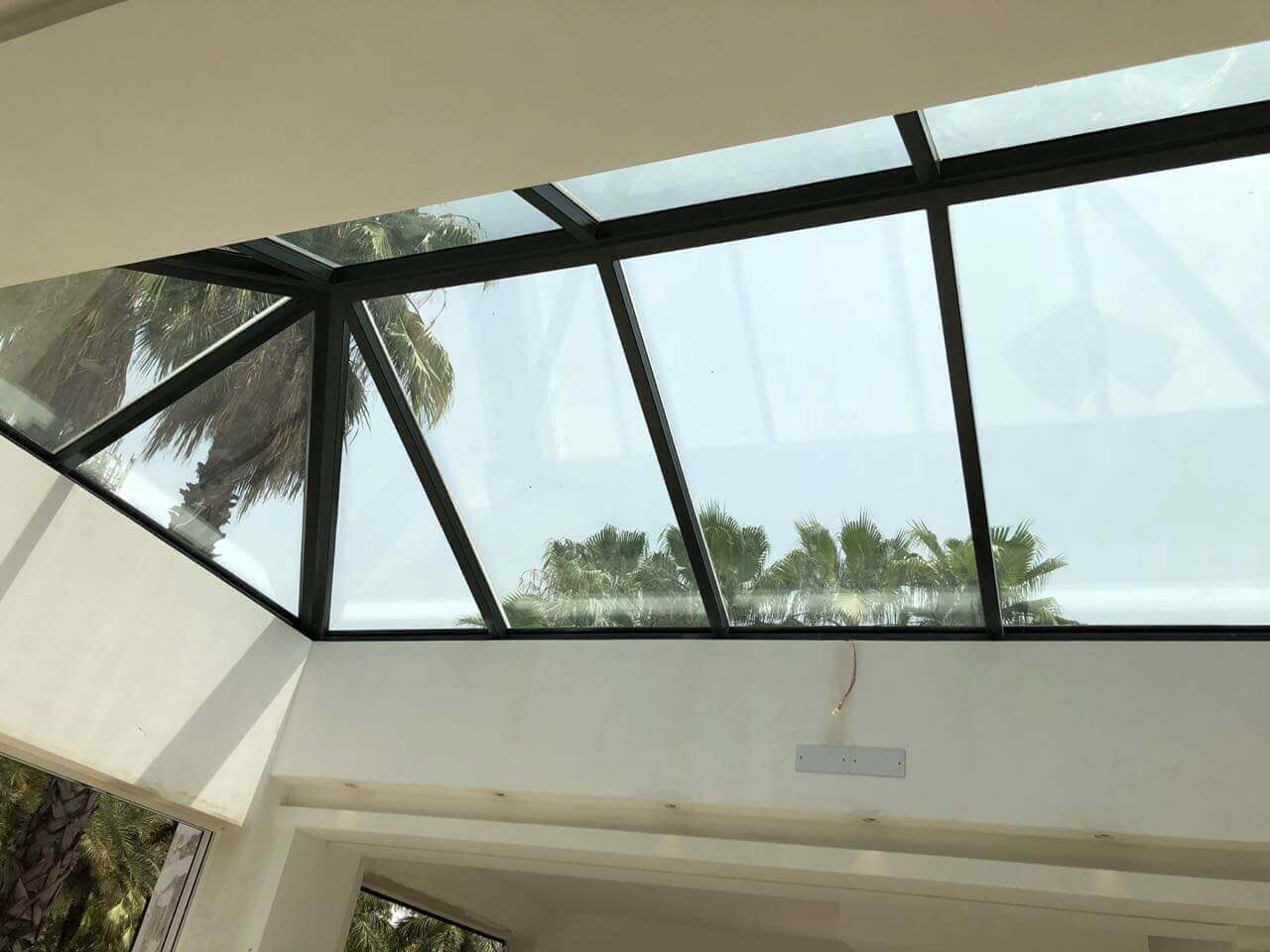
How can flat roof skylights transform a space? They introduce a sleek, modern element that enhances architectural aesthetics. By integrating seamlessly into flat roofs, these skylights provide an unobtrusive way to incorporate natural light and visual interest.
Their minimalist design complements various styles, from contemporary to industrial. The use of flat roof skylights can create a sense of spaciousness, drawing the eye upward and making rooms feel larger and more open.
Additionally, they can serve as stunning focal points, enriching the overall design while offering an elegant solution for maximizing both style and functionality.
While many homeowners seek to maximize natural light within their living spaces, flat roof skylights offer a practical and elegant solution.
These architectural features allow sunlight to flood into interiors, creating a bright and inviting atmosphere. By installing flat roof skylights, homeowners can transform dark areas, such as hallways and bathrooms, into well-lit spaces.
The design of these skylights enables them to capture light from various angles throughout the day, ensuring a consistent flow of natural illumination. This enhancement not only elevates the ambiance of a home but also promotes a sense of openness and connection to the outdoors.

When considering energy efficiency in modern homes, flat roof skylights emerge as a valuable addition. They allow natural light to flood interiors, reducing the need for artificial lighting during the day. This, in turn, lowers electricity consumption and can lead to significant savings on energy bills.
Additionally, many skylights are designed with energy-efficient glazing, which helps regulate indoor temperatures by minimizing heat loss in winter and heat gain in summer.
By optimizing daylighting and enhancing thermal performance, flat roof skylights contribute to a more sustainable home environment, making them an attractive option for eco-conscious homeowners seeking to improve energy efficiency.
Flat roof skylights come in various types, each designed to meet specific aesthetic and functional needs. Tubular skylights are compact and ideal for smaller spaces, channeling natural light through reflective tubes. Fixed skylights provide a stationary solution, enhancing daylight without ventilation.
Ventilated skylights allow for airflow, improving indoor air quality while illuminating the space. Dome skylights feature a curved design, reducing the likelihood of water pooling and enhancing durability.
Additionally, custom skylights can be tailored to unique architectural designs, offering flexibility in shape and size. Each type contributes to improved aesthetics and energy efficiency in flat-roofed structures.

Proper installation of flat roof skylights is essential to guarantee peak performance and longevity. Key considerations include selecting the appropriate skylight type for the specific roof structure and making certain proper sealing to prevent leaks.
Adequate drainage must be incorporated to manage rainwater effectively. The installation angle should allow for ideal light penetration while minimizing heat loss. Additionally, utilizing high-quality materials is critical to withstand environmental factors.
Hiring a professional installer with experience in flat roof applications can enhance the installation process. Following manufacturer guidelines and local building codes will make sure compliance and maximize the skylight's benefits for aesthetics and energy efficiency.
Regular maintenance is essential for guaranteeing the longevity and performance of flat roof skylights after installation. Homeowners should routinely inspect the skylights for dirt and debris, which can obstruct sunlight and cause water buildup.
Cleaning the glass with a gentle, non-abrasive solution prevents scratches and maintains clarity. Additionally, checking seals and flashing for wear helps to prevent leaks. It is advisable to clear away overhanging branches that could damage the skylight during storms.
Finally, scheduling professional inspections annually guarantees that any hidden issues are addressed promptly, maintaining both aesthetics and energy efficiency throughout the skylight's lifespan.
The decision to install skylights oneself or hire a professional depends on the individual�s skill level and experience with roofing projects. While DIY installation can save money, it requires knowledge of proper techniques to prevent leaks and structural issues. Conversely, hiring a professional guarantees that the installation adheres to building codes and is completed safely. Ultimately, careful consideration of one�s abilities and the complexity of the project will guide this decision.
Yes, there are skylight options specifically designed for extreme weather conditions. These options often feature impact-resistant glass and reinforced frames to withstand high winds, heavy snow, or hail. Manufacturers may also offer enhanced seals and drainage systems to prevent leaks. Selecting skylights with high energy efficiency ratings is essential for temperature regulation during severe weather. Consulting with professionals experienced in local climate challenges can further guarantee suitable choices are made for durability and performance.
Yes, skylights can be installed in existing roofs. However, the process requires careful consideration of the roof's structure, materials, and drainage systems. Proper sealing and flashing are essential to prevent leaks and damage. It's advisable to consult with a professional to assess compatibility and guarantee the installation meets local building codes. By addressing these factors, homeowners can successfully enhance natural lighting in their spaces through the addition of skylights.